Toyota Land Cruiser 80 Series: The Bombproof Overlander, Explained
Why a 30-year-old Japanese SUV is, in 2026, more sought-after than most new vehicles. The 80 Series was built to last forever, and it's mostly succeeding.
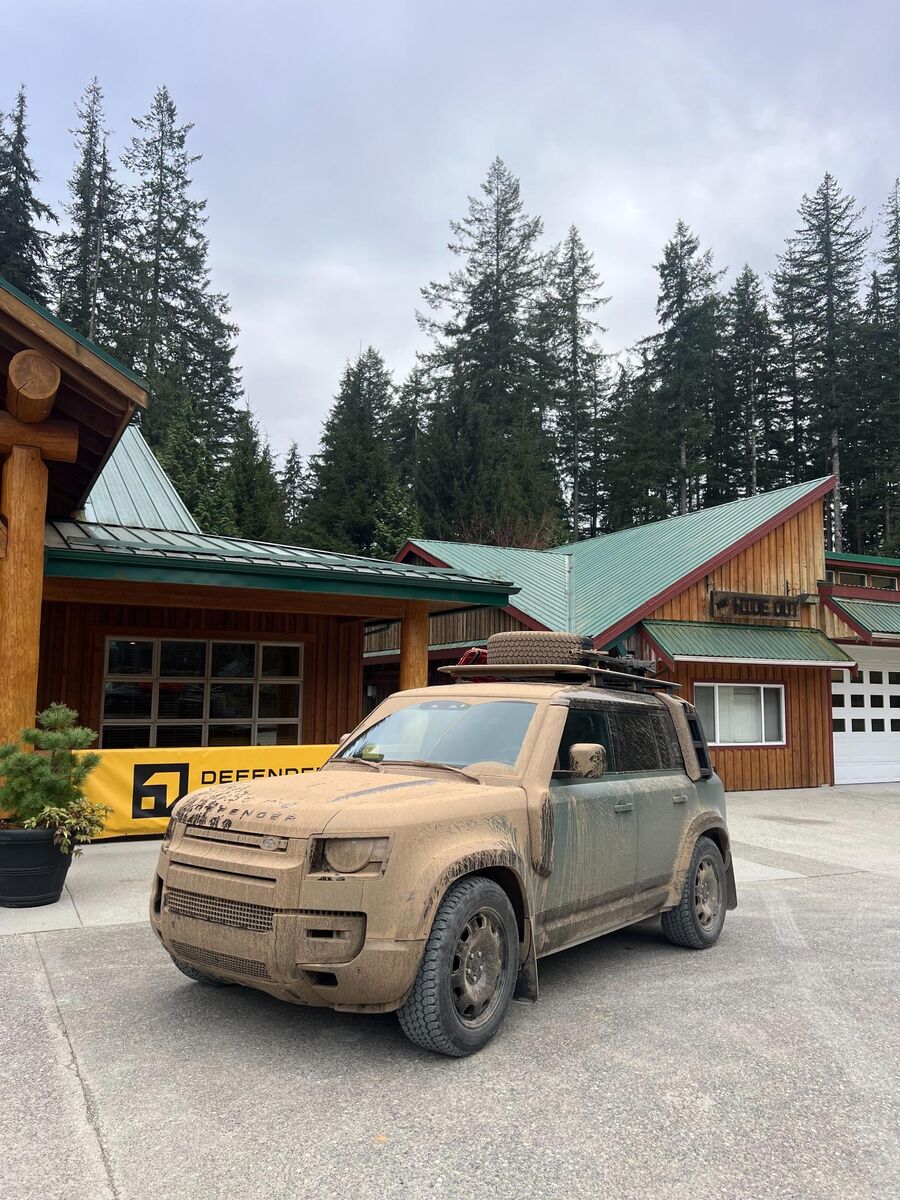
Walk through any serious overland event in 2026 and count the Land Cruiser 80 Series in the parking lot. The number will surprise you. This is a vehicle Toyota stopped making in 1997, that was never a sales success in North America, that has been out of dealer service for over a decade — and yet, against all market logic, it has become more valuable, more loved, and more present in the off-road community every year.
There's a reason. Several reasons, actually. Here's why the 80 Series is the vehicle that ate the overland world.
The 1FZ-FE: The Engine That Won't Die
The North American 80 Series came with the 4.5-liter inline-six 1FZ-FE. By the standards of 1995, it was unremarkable: 212 hp, 275 lb-ft, port fuel injection, no turbo, no clever stuff. By the standards of 2026, it's basically a tractor engine. Cast-iron block, simple electronics, mechanical timing chain (no belt to change), no variable valve timing nonsense.
This is the kind of engine that goes 400,000 miles with regular oil changes. Not "could go" — "does go." The 80 Series owners' community is full of trucks with 350k+ miles on the original engine, no rebuild, no major work. The 1FZ-FE doesn't break because there isn't much in it that can break.
The Drivetrain: Full-Time 4WD Done Right
The 80 Series has full-time four-wheel drive with a center diff that locks for serious off-road. This is unusual — most American 4x4s of the era were part-time, where you had to manually engage 4WD. The 80 just sends power to all four wheels, all the time, and a center-diff lock turns the system into a truly serious off-road drivetrain when you need it.
The transfer case is bombproof. The transmission (A442F automatic) is the weak link if there is one — they last 200k+ miles but rebuilding one is a real expense. Manuals were available in some markets and are essentially indestructible.
The Build Quality That Doesn't Exist Anymore
Toyota built the 80 Series to be a "world car" — meaning it had to function in Australian outback, Saudi desert, Russian winter, and Indonesian monsoon, with little to no service infrastructure. That mandate pushed engineering decisions toward over-engineering. The frames are thicker than they need to be. The body bolts are bigger. The wiring harness is sealed in ways that aren't standard until you get into commercial trucks.
Compare a 1997 80 Series door close to a 2024 anything. The 80 closes like a vault. That's not nostalgia talking — that's actual engineering choices that made the truck heavier and more expensive to build, choices Toyota correctly believed would be repaid in long-term durability.
The Two Generations You'll See
- 1991–1994 (FJ80, then FZJ80 from 93): Earlier interior, slightly less powerful 1FZ-FE in early FZJ80, often without the rear locker option. Cheaper used.
- 1995–1997 (FZJ80): Full power 1FZ-FE, refined interior, OBD-II diagnostics (1996+), often equipped with factory front and rear lockers in the Land Cruiser-trim version. The most desirable.
Buying One in 2026
The market for clean 80 Series trucks is unforgiving. A solid, well-maintained, two-locker FZJ80 with under 200k miles will run $20,000–$30,000 depending on region. Project trucks with rust issues are $8,000–$15,000. They go up every year.
What to Check Before You Buy
- Frame rust. The single most important check. Northeast US trucks often have terminal frame rust. Crawl underneath with a flashlight.
- Head gasket history. The 1FZ-FE is famous for needing a head gasket replacement around 200k miles. Has it been done? With what gasket?
- Birfield joints. Front axle CVs ("birfields") need regular service. Listen for clicking on tight turns. Replacements are not cheap.
- Transmission service history. Auto trans should have been serviced regularly. Burnt fluid is a $4,000 surprise waiting to happen.
- Center diff lock function. Test it works. Repair is annoying.
What to Upgrade First
If the truck has 250k+ miles, plan to refresh the suspension (Old Man Emu or Dobinsons, OEM-quality), the brake system (master cylinder, hoses, rotors), and the fluids. Beyond that, the 80 is remarkable for how little it actually needs to do its job. Tires, sliders, recovery points, and you're trail-ready.
The aftermarket is robust. ARB, OME, Slee Off Road, Cruiser Outfitters — there's an ecosystem of specialists who do nothing but 80 Series work, and they're better than most dealer service departments would have been in 1997.
The Real Reason People Love Them
An 80 Series doesn't impress anyone in a parking lot. It's slow. It drinks fuel. It rides like a Bronco from the 80s. But after a week-long trip on rough roads, you understand. The truck never let you down. It started cold every morning. It crossed the water without thinking. It sat at 70 mph all day and drove home and asked nothing of you.
That's worth a lot in 2026. It's worth more every year.
Got an 80 in your garage? Post a build photo to the team feed — the community always wants to see them.