Old vs. New Defender: Heritage or L663?
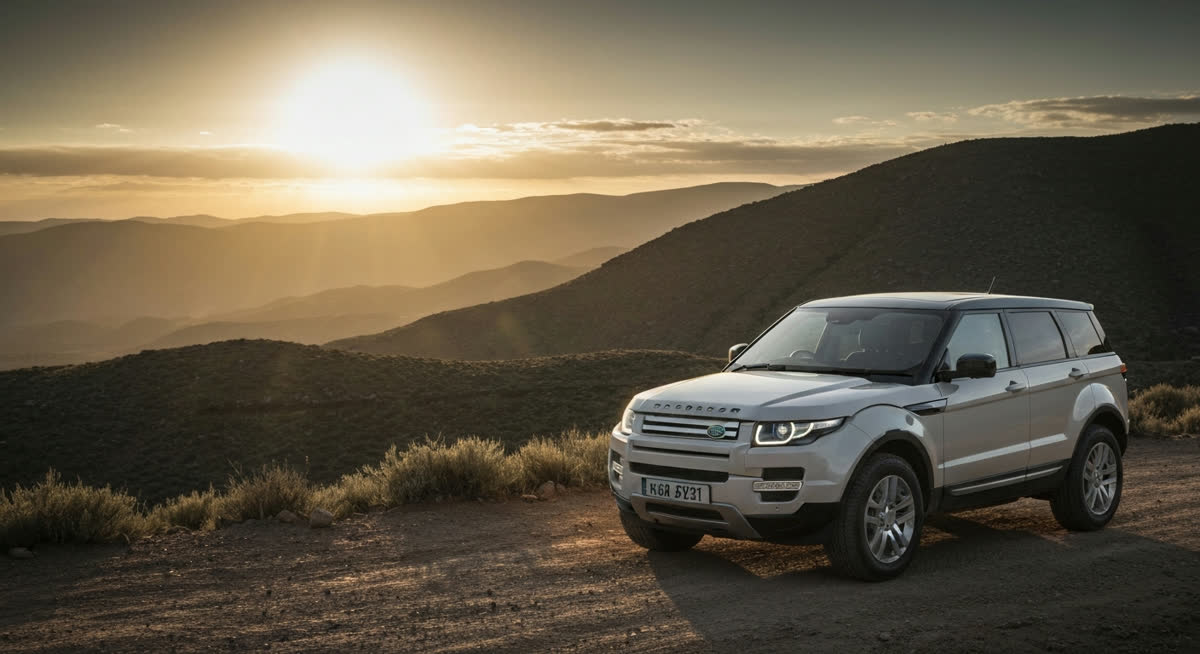
There's a rumble in the overland community, a debate as old as the trails we love to conquer: the soul-stirring classic Land Rover Defender versus the sleek, technologically advanced L663. For buyers torn between the raw heritage of yesteryear and the refined capability of today, the choice can feel like choosing between your favorite well-worn axe and a gleaming, multi-tool super-gadget. As staff writers for Defender Trophy, we're here to give you an honest owner's comparison of the Old Defender vs new Defender, straight from the mud-caked boots of real enthusiasts.
I’ve wheeled both, wrenched on both, and loved both for entirely different reasons. This isn't about one being "better" than the other; it's about which Defender aligns with your spirit of adventure and your tolerance for quirks. So, grab a brew, settle in, and let's dissect these two icons.
Classic Land Rover Defender: The Analog Soul of Adventure
The original Defender, produced from 1983 until 2016 (though its lineage stretches back to the 1948 Series I), is more than just a vehicle; it’s a legend forged in grit and simplicity. When people talk about a "Land Rover," this is often the image that springs to mind: an aluminum-bodied, ladder-framed beast with an unmistakable silhouette.
What defines the classic? Its mechanical purity. Engines like the 200Tdi and 300Tdi are legendary for their durability and straightforward repairability, often reaching hundreds of thousands of miles with proper maintenance. There are no complex computers to fuss with, largely mechanical fuel injection, and a robust, simple four-wheel-drive system with a two-speed transfer case and locking center differential. This mechanical honesty means that, with a basic toolkit and some know-how, many trailside repairs are genuinely possible.
The driving experience is visceral. You feel every bump, hear the engine's honest thrum, and wrestle the large steering wheel with direct feedback. It’s not for everyone, but for those who get it, it’s an immersive, engaging experience that connects you directly to the road (or lack thereof). Customization is also a huge draw; from engine swaps (like a Cummins diesel or Chevy V8) to suspension upgrades, roof racks, winches, and bespoke interiors, the classic Defender is a blank canvas for personalization.
However, honesty dictates acknowledging its quirks. Classic Defenders are prone to rust, especially on the chassis and bulkhead, and oil leaks are a rite of passage. Cabin noise can be significant, and water ingress during heavy rain isn't unheard of. Stock engines, particularly older diesels, can feel underpowered on modern highways.
New Land Rover Defender (L663): The Digital Frontier
Fast forward to 2020, and the Land Rover Defender was reborn, codenamed L663. This isn't an evolution; it's a revolution. Built on an all-new D7x aluminum monocoque platform, it shares virtually no components with its predecessor. The L663 redefines what a Defender can be: incredibly capable off-road, yet supremely comfortable and refined on pavement.
Technology is at its heart. The Pivi Pro infotainment system, with its 10 or 11.4-inch touchscreen, offers wireless Apple CarPlay and Android Auto, and receives over-the-air updates. Advanced driver-assistance features abound, including Terrain Response 2 (which automatically adapts to different surfaces), ClearSight Ground View (a "transparent hood" camera system), All-Terrain Progress Control (off-road cruise control), and Wade Sensing, providing unprecedented confidence in challenging conditions. Most 110 and 130 models come standard with electronic air suspension, offering adjustable ride height for enhanced ground clearance or easier access.
The L663 offers a range of powerful engine options, from turbocharged four-cylinders to mild-hybrid inline-sixes and supercharged V8s, all paired with a smooth 8-speed automatic transmission. On-road, it's quiet, composed, and surprisingly agile for a rugged SUV, making long-distance journeys a pleasure.
However, the new Defender isn't without its own set of modern challenges. Infotainment glitches, start-stop system malfunctions, and occasional software gremlins have been reported, though many are addressed via updates. Some owners have experienced issues with sunroof leaks and concerns with the 48v mild-hybrid battery system. Early models also saw some reports of body panel misalignment, though later models show improved build quality.
Is the new Defender as good off-road as the old one?
This is the million-dollar question, and the answer is complex. The classic Defender's off-road prowess comes from its mechanical simplicity: excellent articulation from coil springs, short overhangs, and a robust ladder frame chassis. It thrives on driver skill and mechanical engagement. You feel what the tires are doing, and you learn to trust the vehicle's inherent capability.
The L663, with its sophisticated electronic aids, takes a different approach. Terrain Response 2, electronic air suspension, locking differentials, and a host of cameras (like ClearSight Ground View) allow it to navigate incredibly difficult terrain with astonishing ease, often making even novice off-roaders look like seasoned pros. Its maximum wading depth of 900mm is impressive. While some purists argue the technology disconnects the driver, there's no denying the L663’s incredible capability, often surpassing the stock performance of a classic Defender in many situations. It's less about raw mechanical feedback and more about intelligent, adaptive traction management.
What's the real difference in driving experience: classic vs. L663?
Imagine the classic Defender as a trusty, no-nonsense mountain bike: you're pedaling hard, feeling every rock and root, completely immersed in the physical act of moving. It's noisy, unrefined, and demands your full attention, especially on the highway. The steering requires effort, and body roll is a given.
Now picture the L663 as a high-performance e-MTB with advanced suspension: it glides over terrain, absorbs bumps, and assists your effort, making the ride smoother and less fatiguing. On-road, it’s remarkably quiet and comfortable, with precise steering and a supple ride, even over rough pavement. It's a vehicle you can comfortably daily drive, embark on cross-country expeditions, and then seamlessly transition to conquering a challenging trail, all in one package.
Defender reliability: old school tough or modern tech woes?
Here's where the two diverge significantly in their "unreliability." The classic Defender's issues are typically mechanical: rust, oil leaks, and basic electrical gremlins that are often straightforward to diagnose and fix for a competent home mechanic. Parts are widely available, and its simplicity is its strength in the long run.
The L663, being a "computer on wheels," presents modern challenges. While its core mechanicals are generally solid, issues tend to be electronic or software-related. Infotainment system glitches, 48V battery failures, and complex emissions system problems (like DPF issues on diesels) often require specialized diagnostic tools and dealer intervention. This means potentially more expensive and less DIY-friendly repairs, though factory warranties cover initial issues. Land Rover has continuously improved software and build quality since the 2020 launch.
Customization and modding: which Defender is better for overland builds?
Both Defenders offer incredible platforms for overland builds, but their approaches differ. The classic Defender is the king of raw, bespoke customization. Want an engine swap, heavy-duty axles, or a completely custom interior? The aftermarket is vast and established, allowing for truly unique, one-off builds. Companies specialize in restomods that blend classic looks with modern performance.
The L663, while newer, has rapidly growing aftermarket support. You can find everything from robust roof racks, ladder systems, and external MOLLE panels to interior storage solutions like drawer systems and fridge slides. Its integrated technology also plays a role, with accessory ports and pre-wired options making the addition of auxiliary lighting or communication gear simpler. While engine swaps are rare (and largely unnecessary given the factory options), performance tunes are available.
Value for money: buying a classic Defender vs. a new L663?
This is where the market tells an interesting story. Classic Defenders, especially well-maintained North American Specification (NAS) models and D110s, have seen significant appreciation and are now considered excellent investments. Some low-mileage NAS Defender 90s have sold for over $176,000, representing a massive return on their original sticker price. Restomods can command prices from $200,000 to $285,000.
The new L663, like most new vehicles, experiences depreciation. However, its strong demand means it holds its value relatively well within the luxury SUV segment. Current market data (as of June 2026) shows 2026 models selling around MSRP, with some incentives available. Buying new gets you a warranty, the latest tech, and peace of mind. Buying a classic is often an investment in a depreciating asset that has already turned the corner into collector territory.
The Verdict: Your Adventure, Your Defender
So, which Defender is right for you? If you crave mechanical engagement, a raw, unfiltered driving experience, and the satisfaction of building something truly unique, the classic Defender is your soulmate. Be prepared for hands-on maintenance, the occasional leak, and a deep dive into the rich history of Land Rover. This is where you connect with a vehicle that has truly stood the test of time, and where every journey is an adventure in itself.
If you value modern comfort, cutting-edge technology, powerful performance, and unparalleled off-road capability that makes tough trails accessible, the L663 is your ideal companion. It’s a sophisticated, versatile machine that effortlessly blends luxury with ruggedness, ready to tackle any expedition you throw at it, straight from the factory floor.
No matter which path you choose, the Defender spirit runs deep. And whether you’re fine-tuning a vintage beast or kitting out a brand-new L663, you'll find your tribe at the Defender Trophy community. Share your builds, find new routes, and swap expedition stories with fellow enthusiasts who live and breathe Defender culture at Defender Trophy. We’re all united by the love of these incredible machines and the adventures they enable.
Ultimately, the best Defender is the one that fuels your passion and gets you out exploring the world. For more detailed insights into various Land Rover models, check out the official Land Rover Defender page. To dive deeper into the history and evolution of this icon, Wikipedia's Land Rover Defender entry is a great resource. For aftermarket parts and customization ideas for the new L663, Lucky8 Off Road offers a wide selection. If you're considering a classic, understanding common issues is crucial, and Helderburg's article on classic Defender reliability is genuinely useful. For current market pricing on new Defenders, Edmunds provides detailed 2026 market data.
Choose wisely, drive adventurously, and let the legacy continue.
Join the Defender Trophy community — share your build, find routes, meet the tribe.
Join the Community