Your Defender's Overland Evolution: The Pro Build Order
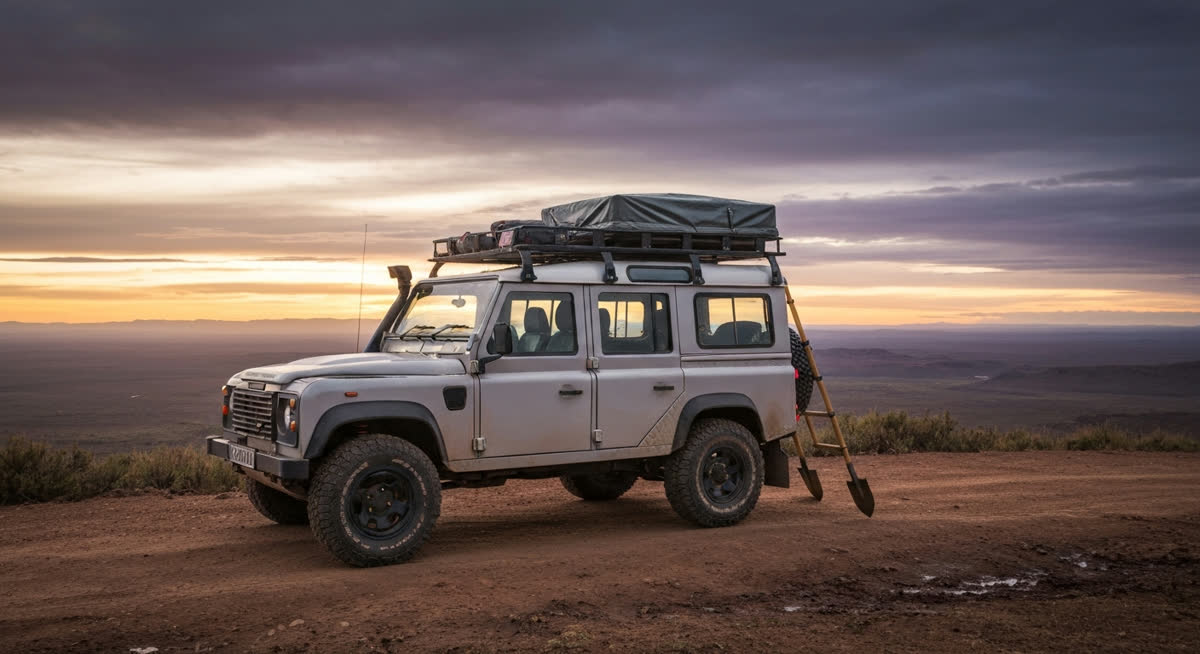
You’ve got the dream: a Land Rover Defender, an open map, and the siren call of the wild. But transforming a stock Defender into the ultimate overland machine isn't just about throwing money at it. There's a method, a strategic upgrade order that seasoned adventurers swear by to build a genuinely capable, reliable, and comfortable rig. This isn't just theory; it’s born from thousands of miles of dust, rock, and remote tracks. Welcome to the definitive guide on building the perfect overland Defender, step-by-step, just like the pros do it.
Before you even think about that fancy roof tent or those trick lights, you need to lay a rock-solid foundation. Skipping steps or doing things out of order often leads to wasted money, compromised performance, or worse, getting stranded hundreds of miles from civilization. We’re talking about a systematic approach that ensures each upgrade complements the next, culminating in a vehicle that’s ready for anything you throw at it. It’s also where being part of a community like Defender Trophy truly pays off, as you can share your build progress and learn from others' real-world experiences.
What are the best overland tires for a Land Rover Defender?
Forget everything else for a moment. Your tires are the single most critical component linking your Defender to the terrain. They dictate traction, ride quality, and ultimately, your ability to reach your destination. Experienced overlanders start here because inadequate tires make every other upgrade less effective. We’re not talking about aggressive mud-terrains for everyday driving, but a robust All-Terrain (AT) or a milder Mud-Terrain (MT) that can handle varied conditions.
Look for tires with strong sidewalls, a tread pattern that clears mud and grips rock, and an appropriate load rating for your fully loaded vehicle. Popular choices for the Defender range from the legendary BFGoodrich All-Terrain T/A KO2, known for its durability and excellent all-round performance, to the Toyo Open Country A/T III or the Goodyear Wrangler Duratrac, which offer a more aggressive tread without sacrificing too much on-road comfort. Don't cheap out here; your life literally depends on these. Proper tire choice is also critical for safety and efficiency, as explained by resources like Tire Rack's tire safety information.
How to upgrade Defender suspension for overlanding?
Once your Defender is shod with capable rubber, the next logical step is to address its suspension. A stock Defender suspension is designed for a general-purpose role, not for carrying significant extra weight over corrugated roads and challenging trails. Overlanding puts immense stress on suspension components, requiring increased load-carrying capacity, better articulation, and improved damping.
This typically involves a modest lift (2-3 inches is common) paired with heavy-duty coil springs and uprated shock absorbers. Brands like Old Man Emu (OME), Bilstein, and Terrafirma are stalwarts in the Land Rover community, offering complete kits designed for sustained heavy loads and off-road abuse. A proper suspension upgrade not only improves off-road capability and ground clearance but also enhances comfort and stability when loaded, reducing driver fatigue on long journeys. It’s a foundational change that impacts everything from tire clearance to how your vehicle handles dynamic situations on uneven terrain.
What recovery gear do I need for a Land Rover Defender?
You’ve got better tires and a beefier suspension – now it's time to prepare for when things inevitably go sideways. Recovery gear isn't about if you'll get stuck, but when. This is a non-negotiable step before you venture far off the beaten path. Essential items include a high-quality kinetic recovery rope or snatch strap, rated shackles (soft shackles are increasingly popular and safer), a shovel, and ideally, a robust winch. A properly mounted winch, like those from Warn Industries or Smittybilt, can be a literal lifesaver, allowing self-recovery in challenging situations. Always ensure your recovery points are rated and securely attached to the chassis. Training in proper recovery techniques is just as important as the gear itself.
Why is underbody protection essential for overlanding?
Your Defender's vitals – engine sump, transmission, transfer case, fuel tank – are vulnerable to rocks, stumps, and other trail hazards. Protecting these components is a relatively early priority for experienced owners, especially if you plan on tackling anything more challenging than a gravel road. High-quality skid plates and rock sliders act as armor, absorbing impacts that would otherwise cause expensive and trip-ending damage. Brands like ARB, Terrafirma, and Lucky8 fabricate robust solutions specifically for Defenders. Think of it as cheap insurance against a very bad day. This protection also allows you to tackle more technical terrain with confidence, knowing that a glancing blow won't leave you stranded.
Optimizing Land Rover Defender storage for expeditions?
With the core capability and protection sorted, attention turns to living out of your Defender. Effective storage and organization are paramount for comfortable and efficient overlanding. This means moving beyond simply throwing gear into the back. Start with a solid roof rack from a reputable brand like Front Runner Outfitters or Alu-Cab, which provides additional load-carrying capacity for bulky items like spare tires, fuel cans, or even a rooftop tent. Inside, drawer systems, cargo barriers, and custom shelving transform chaotic cargo areas into functional living spaces. The goal is to keep frequently used items accessible, secure heavy gear, and maintain a low center of gravity. This is where you really start to tailor your Defender to your specific expedition style.
Essential electrical and lighting upgrades for a Defender overland build?
Modern overlanding relies heavily on electrical power for refrigeration, charging devices, and auxiliary lighting. A reliable electrical system is crucial. The first step is often a dual battery system, typically managed by a DC-to-DC charger (Redarc and National Luna are popular choices) to ensure your starter battery remains isolated and ready while your auxiliary battery powers accessories. From there, consider upgraded headlamps, powerful auxiliary lights (LED light bars from Rigid Industries or KC HiLites are common) for improved nighttime visibility, and subtle interior lighting for camp life. These upgrades aren't just for convenience; proper lighting is a safety feature, enhancing visibility both on and off the road, and allowing you to set up camp efficiently after dark. Learn more about the benefits of quality lighting from experts like Baja Designs' buying guide.
Choosing the right roof tent for your Defender?
Now for the pièce de résistance of many overland builds: the roof tent. After ensuring your Defender can safely carry the weight (thanks to your suspension upgrade!) and has a sturdy roof rack, you can choose your mobile sleeping quarters. Hardshell tents, like those from iKamper or Alu-Cab, offer rapid setup/takedown and excellent durability. Softshell tents, such as those by Thule Tepui or Front Runner, often provide more living space when deployed and can be a more budget-friendly entry point. Your choice depends on your budget, how frequently you plan to deploy, and your preference for quick setup versus interior space. The right roof tent transforms your Defender from a vehicle into a mobile home, offering comfort and security in the most remote locations.
Advanced communication and navigation for remote Defender adventures?
Finally, once your Defender is built to tackle the terrain and provide a comfortable base, you need to ensure you can communicate and navigate. This tier of upgrades is about safety and connectivity in truly remote areas. A reliable GPS device (like a Garmin Tread or a dedicated off-road GPS app on a tablet) is non-negotiable. For communication beyond cell service, consider a satellite messenger (Garmin inReach, Zoleo) for emergency two-way communication and tracking, or a UHF/VHF radio for vehicle-to-vehicle communication. For those seeking truly remote work capabilities, Starlink Roam is becoming an increasingly popular, albeit power-hungry, option for high-speed internet anywhere. These tools provide peace of mind and are vital for safety when venturing into the unknown.
Building the perfect overland Defender is a journey, not a destination. It’s an iterative process of learning, upgrading, and refining your rig to match your ambitions. By following this experienced-owner upgrade order, you'll build a Defender that’s not just capable, but genuinely reliable, comfortable, and ready for whatever adventure lies ahead. Remember, the best build is the one that gets you home safely, with stories to tell and a desire for more. Share your journey and learn from others by joining the community at Defender Trophy.
Build your Defender thoughtfully, and it will take you anywhere you dare to dream.
Join the Defender Trophy community — share your build, find routes, meet the tribe.
Join the Community