Conquer the Wild: Your First Overland Trip
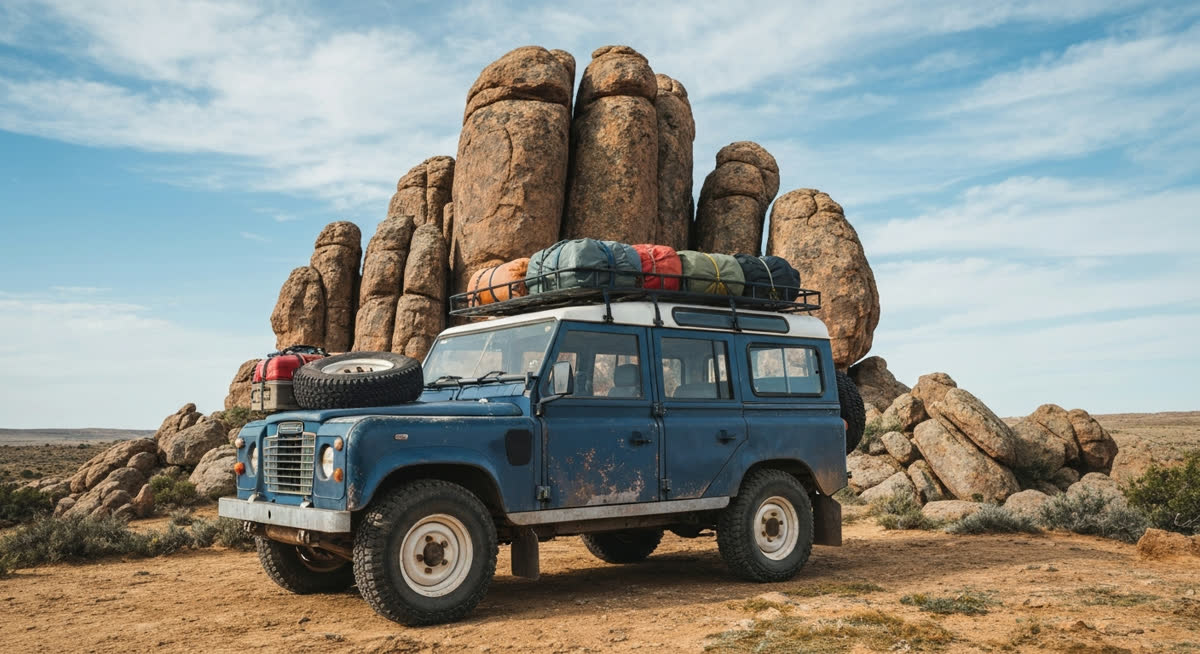
The open road beckons. That gnawing desire to leave the asphalt behind, to truly disconnect, to explore places only accessible by four wheels and a healthy dose of grit – it's an irresistible call. For many of us, the dream culminates in planning your first multi-day overland expedition. But let's be real: the wilderness is an unforgiving teacher, and while some lessons are best learned firsthand, others are far better absorbed from those who’ve already wrestled with broken fuel lines, empty water tanks, and GPS glitches in the middle of nowhere. We’ve been there, and we’re here to share the hard-won wisdom so your maiden voyage is epic for all the right reasons.
Before you even think about airing down your tires, remember that preparation isn't just a suggestion; it's the bedrock of a successful and safe overland journey. And if you want to swap stories, compare notes on the latest Defender builds, and learn from a global community of adventurers, head over to the Defender Trophy community. We believe sharing experiences makes every expedition better!
How much fuel do you need for a multi-day overland trip?
Running out of fuel in the backcountry isn't just an inconvenience; it's a critical safety issue. Don't eyeball it. Calculating your fuel needs requires a bit of math and a healthy dose of pessimism. First, know your vehicle's average fuel economy under expedition loads – that means a fully packed rig, not your daily commuter setup. Then, map your route. Identify fuel stops. Now, here's the kicker: assume you’ll use 20-30% more fuel than your calculation for adverse conditions: soft sand, steep climbs, unexpected detours, or even prolonged idling. Always factor in a substantial reserve.
For carrying extra fuel, quality matters. We've seen cheap plastic containers crack, leak, and generally make a mess. Invest in robust, purpose-built solutions. Rotopax containers are incredibly popular for their modularity and durability, securing neatly to roof racks or rear carriers. Traditional metal jerry cans, like those from Wavian, are also excellent choices, known for their ruggedness and secure seals. Don’t forget a funnel with a filter; even "clean" fuel can have contaminants that will wreak havoc on your engine far from civilization.
Overland water solutions: Stay hydrated, stay safe
Water is life. Period. While fuel might be a close second, you can survive longer without food than without water. For a multi-day overland expedition, a good rule of thumb is to plan for at least 1-2 gallons (approximately 3.8-7.6 liters) of water per person, per day, for drinking alone. But you'll also need water for cooking, washing, and potentially radiator top-offs. Carrying enough potable water is paramount.
Storage solutions range from dedicated onboard water tanks (like those offered by Dometic) to robust portable containers. Reliance Products' Aqua-Tainers are a budget-friendly option, but for extreme conditions, reinforced plastic or metal containers are superior. Don't rely solely on stored water. A reliable water filtration or purification system is non-negotiable. Products like the Sawyer Squeeze Filter or the MSR Guardian Purifier are compact, effective, and can turn questionable water sources into drinkable hydration, preventing debilitating gastrointestinal issues that could end your trip early. Consider carrying water purification tablets as a backup.
What are the best navigation tools for overlanding?
Forget relying solely on cell service – it's a luxury you won't have when you truly venture off-grid. A multi-layered approach to navigation is essential. Your primary tool should be a dedicated GPS unit or a robust offline mapping app on a tablet. Gaia GPS and onX Offroad are favorites in the overlanding community, offering detailed topographical maps, satellite imagery, and the ability to download maps for offline use.
Crucially, learn how to use these tools before you leave. Practice plotting waypoints, creating routes, and understanding map legends. But technology can fail. Batteries die, devices break. This is why a good old-fashioned paper map (and the ability to read it with a compass) remains an indispensable backup. The USGS offers detailed topographic maps for much of the United States, and knowing how to navigate without a screen is a skill every overlander should master. Finally, for emergency communication, a satellite messenger like a Garmin inReach Mini 2 or a Zoleo device is critical. These allow you to send and receive messages, access weather forecasts, and, most importantly, trigger an SOS in life-threatening situations, even when miles from cellular coverage.
Essential camp craft skills for your overland adventure
Your vehicle gets you there; your camp craft makes you comfortable and keeps you safe once you arrive. Setting up an efficient and comfortable camp is an art honed through experience. Practice pitching your tent or deploying your rooftop tent quickly. Understand how to secure it against wind and rain. A good camp kitchen setup doesn’t have to be elaborate, but it should be functional. A sturdy camp table, a reliable two-burner stove (like a Partner Steel stove), and a well-organized chuck box for cooking essentials will make meal prep a joy, not a chore.
Fire is both a comfort and a necessity. Learn safe fire starting techniques and always be aware of local fire restrictions and conditions. Never leave a fire unattended, and ensure it's completely out before you leave. Beyond the basics, embrace the "Leave No Trace" principles. Pack out everything you pack in, dispose of human waste properly, and minimize your impact on the environment. The Leave No Trace Center for Outdoor Ethics provides excellent guidelines that every outdoor enthusiast should adhere to. Your goal is to leave the campsite looking as if you were never there.
Embarking on your first multi-day overland expedition is an adventure of a lifetime. By meticulously planning your fuel and water, mastering navigation, and honing your camp craft, you'll be well-equipped to tackle the challenges and fully savor the unparalleled freedom of the open trail. Learn from our hard-won lessons, connect with the Defender Trophy community for shared wisdom, and make your first big trip a triumph of preparation and passion.
The wilderness rewards the prepared, so plan smart and explore boldly.
Join the Defender Trophy community — share your build, find routes, meet the tribe.
Join the Community